
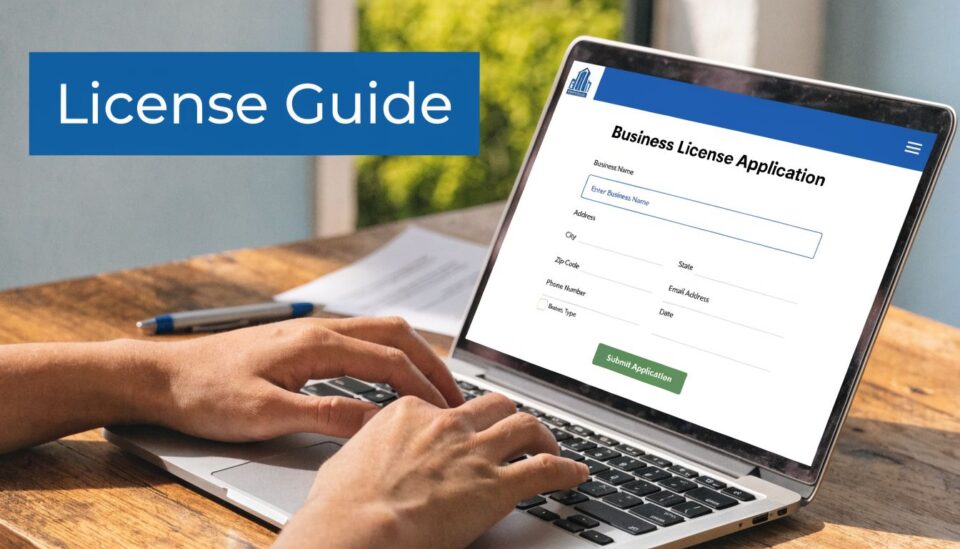
Starting a business is an exciting step for entrepreneurs who want to turn their ideas into reality. However, before beginning operations, it is important to complete the required documentation correctly. A well-prepared application helps reduce mistakes, avoid unnecessary delays, and make the business setup process smoother. Understanding the requirements in advance allows entrepreneurs to move forward with greater confidence and focus on building their business.
Applying for a business license requires careful planning, accurate information, and the right supporting documents. Whether you are launching a consultancy, an online store, a trading company, or a service-based business, preparing every detail before submission can make a significant difference. A clear understanding of the application process also helps new business owners save time and make informed decisions about their future operations.
1. Choose the Right Business Activity
The first step is to identify the activities your company will carry out. Your selected activity should accurately reflect the products or services you intend to offer. For example, an online retailer, a marketing consultant, and a general trading company may have different licensing requirements.
Review the permitted activities carefully before submitting your application. If you plan to provide multiple services, check whether they can be included under the same license or require separate approvals. Selecting the correct activity from the beginning helps prevent complications when you start operating.
2. Select a Suitable Business Structure
Your business structure influences ownership, responsibilities, and licensing requirements. Depending on your plans, you may consider a sole establishment, a limited liability company, or another suitable legal structure.
Think about how many owners will be involved, how responsibilities will be shared, and whether you expect to expand in the future. Understanding these factors early helps you choose a structure that supports your business goals. If you are unsure, seek professional guidance before finalising your application.
3. Prepare Accurate Personal and Company Details
Incorrect information is one of the common reasons applications require corrections. Before submitting your documents, verify the spelling of names, identification details, contact numbers, email addresses, and other requested information.
Make sure the details match your official documents. If your application includes multiple shareholders or business partners, check everyone’s information carefully. Keeping digital copies of the required documents in one organised folder can make the process easier and help you respond quickly if additional information is requested.
4. Choose and Verify Your Business Name
Your proposed business name should follow the applicable naming rules and be suitable for your chosen activity. Avoid names that may be restricted, misleading, or too similar to existing registered businesses.
Prepare a few alternative names in case your first choice is unavailable. Check the spelling and format before submitting the application, and ensure the selected name is used consistently across the relevant forms and supporting documents. A suitable business name also helps create a professional identity for your company.
5. Check All Required Documents
Before applying, create a checklist of the documents required for your particular business activity and legal structure. These may include passport copies, identification documents, application forms, shareholder information, and other supporting paperwork.
Some activities may require additional approvals or qualifications. Requirements can also vary depending on the chosen licensing authority and business structure. Therefore, confirm the current requirements before submission rather than assuming that every business needs the same documents.
6. Understand the Fees and Application Process
Budgeting for the setup process is another important step. Review the applicable licensing fees and check whether additional charges may apply for registration, approvals, establishment services, or other requirements.
Some business setup options offer a simplified application process for eligible activities. Understanding the available options can help you select a suitable route based on your budget, timeline, and operational needs. Always confirm what is included in the package and whether any conditions apply.
7. Review Everything Before Submission
A final review can help you identify missing information before the application is submitted. Check every field, confirm that all required documents are attached, and make sure the selected activity, company name, and ownership details are consistent.
Use a simple checklist to track completed steps and outstanding requirements. Keep copies of your submitted application and payment confirmations for future reference. If the licensing authority requests clarification, respond promptly to prevent avoidable delays.
Conclusion
Preparing a business license application becomes easier when you approach the process with proper planning and attention to detail. Choosing the correct activity, selecting an appropriate legal structure, verifying company information, and organising all supporting documents can help you avoid common mistakes. By checking the requirements and reviewing your application before submission, you can establish a strong foundation for your business. A carefully prepared business license application allows you to move closer to launching your venture with confidence and building a sustainable future.
