
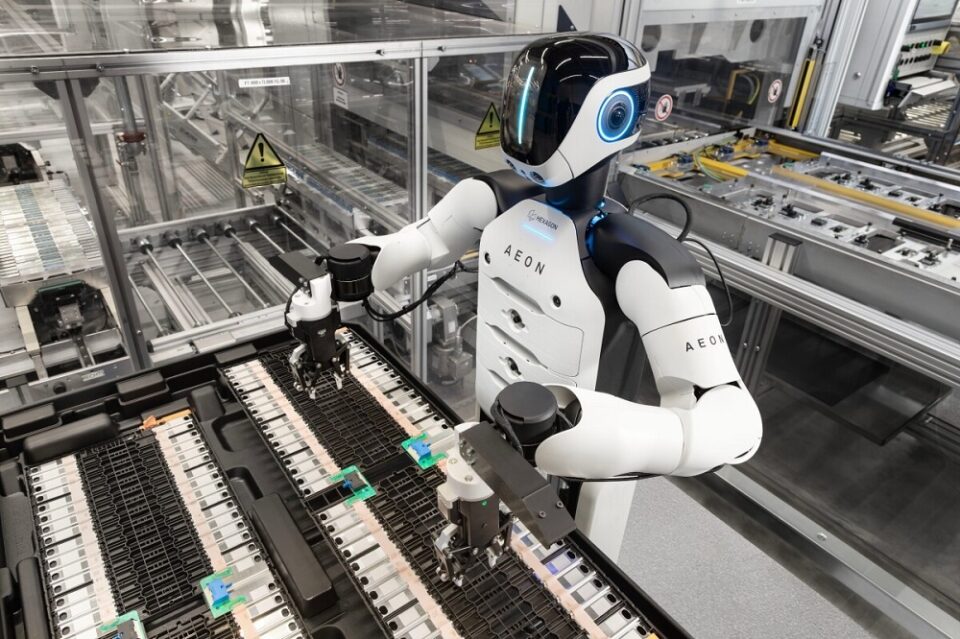
The manufacturing sector is undergoing an unprecedented transformation. Modern production facilities are moving away from traditional, rigid assembly lines toward dynamic, highly adaptable, and data-driven ecosystems. At the heart of this shift lies industrial robotics. Far from merely automating repetitive physical labor, advanced robotics now integrates deep machine learning, high-precision sensors, and cloud computing to fundamentally reshape how goods are designed, assembled, packaged, and distributed.
Understanding the role of robotics in next-generation manufacturing requires examining how these machines have evolved from isolated, heavy-duty machines behind safety cages into intelligent, collaborative, and autonomous systems that work alongside human operators.
The Evolution of Industrial Robotics
Industrial automation is not a new concept, but the technology driving it has shifted dramatically over the past two decades.
From Caged Machinery to Flexible Automation
Early industrial robots were designed for singular, heavy tasks like automotive spot welding, heavy lifting, or basic stamped metal handling. While powerful, these machines were expensive to install, required extensive safety fencing, and took weeks of specialized programming to change a single task.
Next-generation manufacturing demands agility. Consumer preferences change rapidly, product lifecycles are shorter than ever, and batch sizes are shrinking. Modern robotic systems reflect this demand, offering rapid reprogrammability, modular designs, and plug-and-play capabilities that allow manufacturers to adjust production lines with minimal downtime.
Integration with Industry 4.0 Technologies
Robots no longer operate in isolation. In modern smart factories, robotic hardware serves as the physical arm of a much broader digital architecture. By connecting to the Industrial Internet of Things, robots continuously stream telemetry data regarding component wear, operational speeds, temperature variations, and precision tolerances.
This connectivity enables predictive maintenance, where system managers fix minor hardware issues long before a component fails and halts production.
Core Types of Robotics Transforming Modern Operations
Different manufacturing tasks require specialized robotic architectures. The modern factory floor relies on a mixed fleet of robotic systems tailored to specific operational demands.
Collaborative Robots
Collaborative robots, commonly referred to as cobots, represent one of the fastest-growing segments in industrial automation. Unlike traditional industrial machinery, cobots feature built-in force feedback sensors, vision systems, and soft edges that allow them to work safely alongside human technicians without protective steel cages.
-
Safety Compliance: Built-in collision detection stops movement instantly if a cobot encounters unexpected resistance or human contact.
-
Ease of Deployment: Operators can program cobots using hand-guided teaching methods or intuitive graphic user interfaces, eliminating the need for specialized software engineers.
-
Flexibility: Lightweight footprints allow cobots to be easily redeployed across different workstations within a single facility as production priorities shift.
Autonomous Mobile Robots
While automated guided vehicles have historically followed fixed magnetic strips laid across factory floors, Autonomous Mobile Robots use onboard LiDAR, cameras, and spatial mapping software to navigate dynamic environments freely. AMRs transport raw materials, sub-assemblies, and finished goods across expansive facilities, calculating optimal routes in real time and navigating around unexpected obstacles or pedestrian traffic.
Articulated and Delta Robots
High-speed pick-and-place operations, complex welding, and precision assembly continue to rely heavily on multi-axis articulated arms and delta robots. Modern iterations of these machines feature incredible spatial accuracy, often operating with tolerances measured in fractions of a millimeter, making them indispensable for semiconductor fabrication and electronics manufacturing.
Key Strategic Benefits of Robotics in Next Generation Manufacturing
The business case for integrating advanced robotics extends well beyond simple labor cost reductions. Manufacturers deploying automated fleets gain strategic advantages across multiple operational metrics.
Precision and Quality Control
Human workers naturally experience fatigue, eye strain, and loss of focus during long shifts, which can lead to subtle variations in quality. Advanced robotic systems execute identical movements with microscopic precision millions of times over.
When paired with modern computer vision systems, robots inspect parts during assembly rather than after the fact, identifying microscopic surface defects, missing fasteners, or dimensional inconsistencies instantly.
Workforce Empowerment and Safety Enhancement
Integrating robotics directly improves workplace ergonomics and safety standards. Robots regularly take over hazardous operational tasks, such as:
-
Handling toxic chemical compounds or high-voltage components.
-
Operating in extreme temperature environments, such as foundries or cold storage facilities.
-
Lifting heavy structural components that cause chronic musculoskeletal injuries among human workers.
By reassigning physically taxing and repetitive tasks to robotic systems, human workers transition into higher-value operational roles, including system supervision, process optimization, maintenance, and quality assurance.
Supply Chain Resilience and Reshoring
Recent global disruptions highlighted the vulnerabilities of extended supply chains. Advanced robotics allows manufacturers in higher-wage regions to produce goods at competitive price points, facilitating the reshoring of critical manufacturing capabilities. Flexible automation enables smaller localized plants to operate efficiently, reducing reliance on long-distance ocean freight and complex international logistics chains.
Overcoming Implementation Challenges
Despite clear advantages, integrating next-generation robotics involves significant technical and organizational hurdles that require careful management.
Capital Investment and Integration Costs
While the cost of robotic hardware continues to decline, initial capital outlays remain a barrier for small and mid-sized enterprises. The total cost of ownership includes not just the physical robot, but also custom end-of-arm tooling, system integration, safety audits, and workforce retraining.
To bridge this gap, many manufacturers explore alternative financial models, such as Robotics-as-a-Service, which allows companies to lease robotic systems and pay based on operational uptime or production volumes rather than upfront hardware purchases.
Interoperability and Legacy Equipment
Many manufacturing facilities operate a hybrid model, mixing brand-new automated systems with legacy machinery that may be several decades old. Unifying communications across disparate proprietary software platforms, older programmable logic controllers, and modern cloud infrastructure requires careful systems integration and standardized communication protocols.
The Future Outlook for Industrial Robotics
Looking ahead, the convergence of generative artificial intelligence, advanced materials, and edge computing will usher in an even higher degree of robotic autonomy.
Next-generation systems will feature self-healing diagnostic routines, adaptive path planning that reacts dynamically to variations in raw material shapes, and multi-robot orchestration where fleets of AMRs and cobots negotiate task assignments autonomously based on real-time plant efficiency metrics.
As these technologies mature, manufacturing facilities will become increasingly agile, capable of switching seamlessly between different product lines with minimal human intervention, driving unprecedented levels of productivity and customization.
Frequently Asked Questions
What is the primary difference between a traditional industrial robot and a cobot?
Traditional industrial robots are high-speed, heavy-payload machines designed to operate isolated behind physical safety barriers. Collaborative robots, or cobots, feature integrated force sensors, speed limitations, and rounded profiles that allow them to safely interact and work alongside human personnel on shared assembly lines without safety cages.
How do modern mobile robots navigate factory floors without magnetic tracks?
Autonomous Mobile Robots utilize simultaneous localization and mapping technology, alongside LiDAR sensors, optical cameras, and ultrasonic proximity detectors. This equipment allows the robot to build a live digital map of its environment, plan optimal travel paths, and dynamically detour around temporary obstacles, vehicles, or personnel.
Can small and medium enterprise manufacturers afford advanced robotics?
Yes, modern robotics solutions are increasingly accessible to smaller businesses due to lower hardware costs, intuitive code-free setup interfaces, and flexible leasing options like Robotics-as-a-Service. These models allow smaller manufacturers to deploy automation without massive upfront capital outlays.
How does computer vision enhance the performance of industrial robots?
Computer vision equips robots with visual processing capabilities, allowing them to identify item orientation, inspect surface quality, guide end-effectors to precise coordinates, and sort mixed components without requiring parts to be fed in rigid, pre-aligned trays.
What is end-of-arm tooling in robotic systems?
End-of-arm tooling refers to the peripheral device attached to the end of a robotic arm that interacts directly with the environment or workload. Examples include mechanical grippers, vacuum suction cups, welding torches, paint sprayers, and precision grinding spindles.
Will the increase in manufacturing robotics lead to widespread job losses?
While robotics automates repetitive, physically demanding, and hazardous tasks, it typically shifts human employment toward higher-skilled roles rather than eliminating jobs outright. Manufacturing plants utilizing robotics generally experience growth, creating technical positions in system programming, maintenance, data analysis, and quality oversight.
What maintenance practices keep automated robotic fleets running efficiently?
Effective maintenance strategies combine routine scheduled inspections with real-time predictive health monitoring. Tracking sensor telemetry data such as joint motor temperatures, vibration patterns, power draw anomalies, and repeatable position drift allows maintenance teams to replace worn components before an unscheduled breakdown occurs.
