
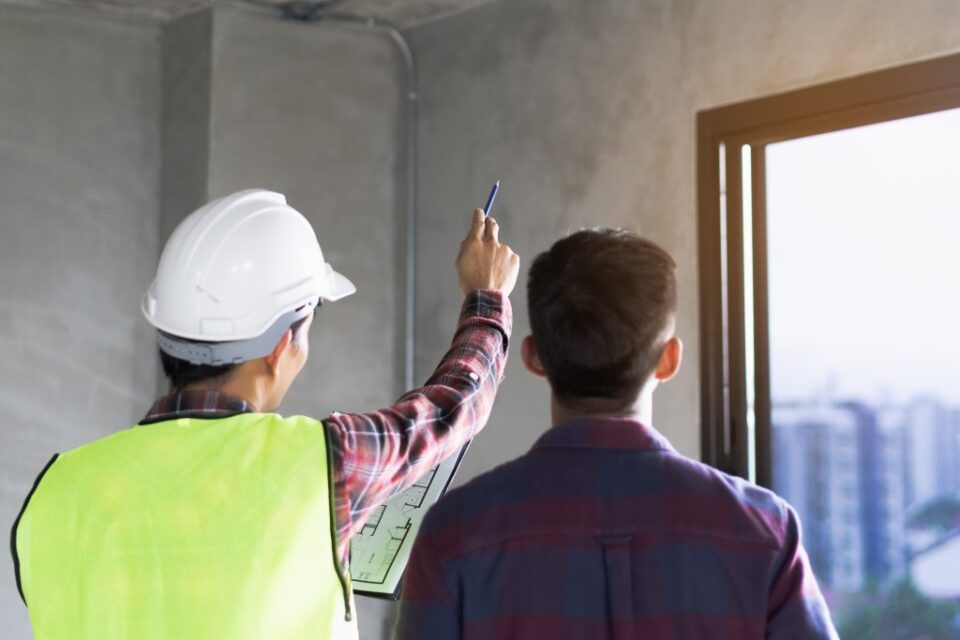
When you think of building inspections, you might envision a straightforward process of meticulously checking items off a list and ensuring compliance with codes and regulations. However, there’s a critical element that often goes unnoticed the invaluable role of a building inspector’s gut instincts and accumulated know-how. These intangible assets, honed through years of experience, mean the difference between a safe, well-constructed edifice and a potential hazard.
Value of intuition in building inspections
While building codes provide a standardized framework for inspections, they cannot account for every possible scenario or nuance that an inspector may encounter on the job. This is where a well-developed intuition becomes invaluable. Seasoned building inspectors have seen it all from shoddy workmanship to creative (and sometimes questionable) solutions employed by contractors. They develop a sixth sense for spotting potential issues that may not be immediately apparent or specifically addressed in the codes.
A building inspector’s gut feeling might trigger a more thorough investigation into a seemingly innocuous area, leading to the discovery of underlying problems that could have gone unnoticed. This intuitive ability to identify red flags is often the result of years of exposure to various construction techniques, materials, and trade practices. It’s a skill that can’t be taught in a classroom or learned from a textbook, it’s an instinctive understanding that comes from hands-on experience and a keen eye for detail.
Importance of field experience
Building inspectors don’t just rely on their intuition, they also draw upon a wealth of practical knowledge acquired through years of field experience. This know-how encompasses a deep understanding of construction methods, material properties, and the intricate interplay between different building components.
For example, an experienced inspector might recognize subtle signs of potential structural issues, such as hairline cracks or minor settling, that could indicate more serious underlying problems. They may also be familiar with common construction shortcuts or improper techniques that contractors sometimes employ, allowing them to identify and address these issues before they become larger problems.
Building inspectors with extensive field experience have likely encountered a wide range of construction scenarios, from simple residential projects to complex commercial and industrial buildings. This exposure provides them with a broad perspective and the ability to anticipate potential challenges or complications that might arise during a project’s life cycle. browse around this site if you would like to learn more.
Mentorship and knowledge sharing
Experienced inspectors often take junior colleagues under their wing, imparting not just the technical aspects of the job but also the nuances and intuitive skills they’ve developed over the years. These mentorship relationships foster an environment where seasoned professionals can share their insights, war stories, and hard-earned lessons with the next generation of building inspectors. It’s a process that helps ensure the continuity of this critical expertise, ensuring that the hard-won knowledge and instincts of veteran inspectors are not lost when they retire or move on.
Intersection of intuition, experience, and technology
As technology continues to advance, building inspections are becoming increasingly augmented by various tools and systems. From drones and 3D imaging to sophisticated software and data analysis, these technological aids enhance an inspector’s ability to perform thorough and efficient evaluations.
However, it’s important to recognize that these tools are designed to complement, not replace, the human element of building inspections. An inspector’s gut instincts and accumulated know-how remain invaluable in interpreting the data and information provided by these technologies, and in identifying areas that may require further investigation or scrutiny.
The true power lies in the synergy between technology and human expertise. By combining the efficiency and precision of modern tools with the intuitive understanding and practical knowledge of experienced inspectors, the building inspection process achieves new levels of accuracy and effectiveness.
