
Parking is an important element in commercial real estate and retail centers, office buildings and mixed-use projects. However, inconsistency in reporting, manual processing of tickets, and poor supervision remain a problem to many operators. Such loopholes tend to lead to revenue leakage, in which the money collected is not entirely utilized. The increasing cost of doing business in 2026 puts efficiency and transparency in greater importance than ever.
The contemporary parking management needs well-organized procedures, dependable information, and coordinated technology. Through automation, centralized monitoring, and accountability systems, the operators can save on financial losses and enhance performance. Eight implementation strategies have been enumerated below that can be used to streamline the parking operation and reduce the loss of revenues.
1. Install Centralized Parking Management Systems
Disjoined systems introduce loopholes within which revenue errors can exist. A centralized system is a dashboard that integrates payment terminal, access control, and occupancy sensors data. In the cases of managers, Visit site resources to find out about organized solutions. In many instances, they find out that integrated systems greatly help in cutting the oversight loopholes.
Operators are able to have real-time visibility of transactions and facility performance through parking operations management systems. The centralization of reporting eliminates errors in manual reconciliation and improves the accuracy of the financial process. Audit trails are clear and enhance accountability among the staff and vendors. Concentrating control enhances operational control in business and eliminates loss of revenue due to the fragmentation of systems.
2. Eliminate Paper Checks and Manual Reports
Cash processing using manual methods creates chances of miscounts and the disappearance of transactions. Automation eases the process of payment and enhances transparency.
Benefits of Digital Payment Automation
- Contactless Transaction Security: Substitute cash payment with contactless digital systems that are secure.
- Automated Session Logging: Create automatic transaction logs of all the parking sessions.
- Dashboard Terminal Integration: Directly tie payment terminals to reporting dashboards.
- Real-Time Revenue Reconciliation: Lengthening of the reconciliation period is minimized with real-time updates on revenues.
- Encrypted Fraud Prevention: Reduce the risk of fraud by using encrypted payment authentication.
Automated reporting will provide the right revenue-capturing and standard documented records.
3. Prevent Leakage with Real-Time Occupancy Monitoring
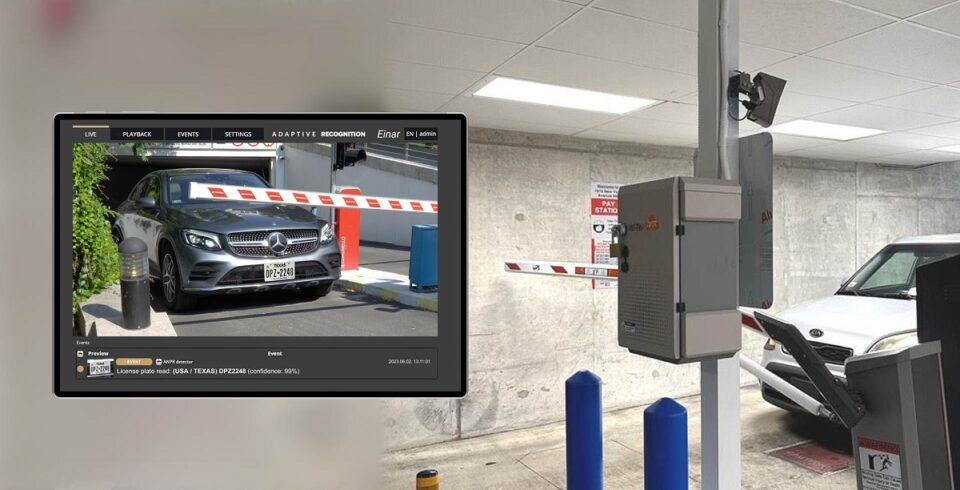
Uncontrolled areas give rise to uncompensated use. The real-time occupancy tracking system will help to ensure that the vehicles entering and leaving the facility are recorded correctly. Smart sensors and license plate recognition systems allow for a detailed insight into the use of space.
By using strategies of parking revenue optimization, the operators regulate the price according to the demand and make sure that every occupied parking space earns an income. Patterns of occupancy analytics can tell about skipped points of payment or unauthorized entry. This is because continuous monitoring enhances enforcement and minimizes revenue that is not collected.
4. Enhance Security of Entry and Access Control
Entry procedures may be loose, thus leading to unpaid parking hours. Organized access control prevents unauthorized vehicle movement.
Access Control Hardware and Verification Protocols
- Automatic Barrier Installation: Place automatic barriers to control the entry of vehicles.
- Electronic Ticketing Integration: Introduce electronic ticketing to ensure entry control.
- Precise Billing Time Tracking: Track entry and exit times in order to bill them correctly.
- LPR Technology Accuracy: Embark on license recognition systems to ensure accurate tracking.
- Regular Audit Log Verification: Plug audit logs on a regular basis to detect unusual activity.
The controlled access reduces the chances of losing revenue.
5. Training Personnel on Responsibility and Systems
Revenue leakage cannot be solved only with the help of technology. Employees have to be familiar with system operations and adherence requirements. Standardized payment verification and reporting procedures that are followed by the employees are a result of clear training programs.
Managers promote stable behavior of operation by implementing improvements in the efficiency of parking facilities. The knowledge of the staff members minimizes human mistakes and unwanted abuse. Constant performance evaluation enhances responsibility. Professionally trained staff will supplement technology protection and enhance financial integrity in general.
6. Carry Out Periodical Audits and Performance Inspections
Regular audits reveal gaps prior to their rising and becoming significant losses. Formative assessment promotes active remediation.
Critical Audit and Inspection Metrics
- Analytics vs. Revenue Reconciliation: Compare occupancy analytic data with reported revenue.
- Billing Anomaly Detection: Examine accounts of transactions with billing anomalies.
- Peak Usage Revenue Verification: Examine periods of peak usage of revenue when it was not anticipated.
- Equipment Accuracy Validation: Check payment equipment functionality and accuracy.
- Traffic-Based Staffing Audits: Review schedules of personnel in accordance with traffic.
Regular audits keep the operations transparent.
7. Use Data Analytics to Plan Pricing and Demand
The price set by the creators of the statistical pricing model might not represent the true demand, causing the loss of revenue. Data analytics can be used to make dynamic changes that are the most profitable. Historical review enables the operators to know the time slots that have poor performance and adjust the rates.
Flexible pricing can be used in facilities where data-guided parking operations are implemented so that they can adapt to actual patterns of usage. The foresight is used to distribute resources effectively in times of high traffic. The tools of analysis are also used to promote marketing programs that will stimulate occupancy during low seasons. The intelligent pricing also minimizes the revenue leakage associated with ineffective demand forecasting.
Achieving Operational Excellence and Revenue Security
To make parking processes more effective in the year 2026, it is possible to employ central control, smart payment options, real-time tracking, access control, trained operators, designed audits, data analysis, and scalable technology. Every aspect deals with a particular leakage of revenue and at the same time brings efficiency, in totality.
Companies accessing the materials of Visit sites to get to know the complete parking management solutions can have integrated systems that correlate the financial reporting and the actual usage data. Through improved accountability, transparency, and using superior analytics, parking operators can secure revenue, minimize operational waste and create a more sustainable business model.
